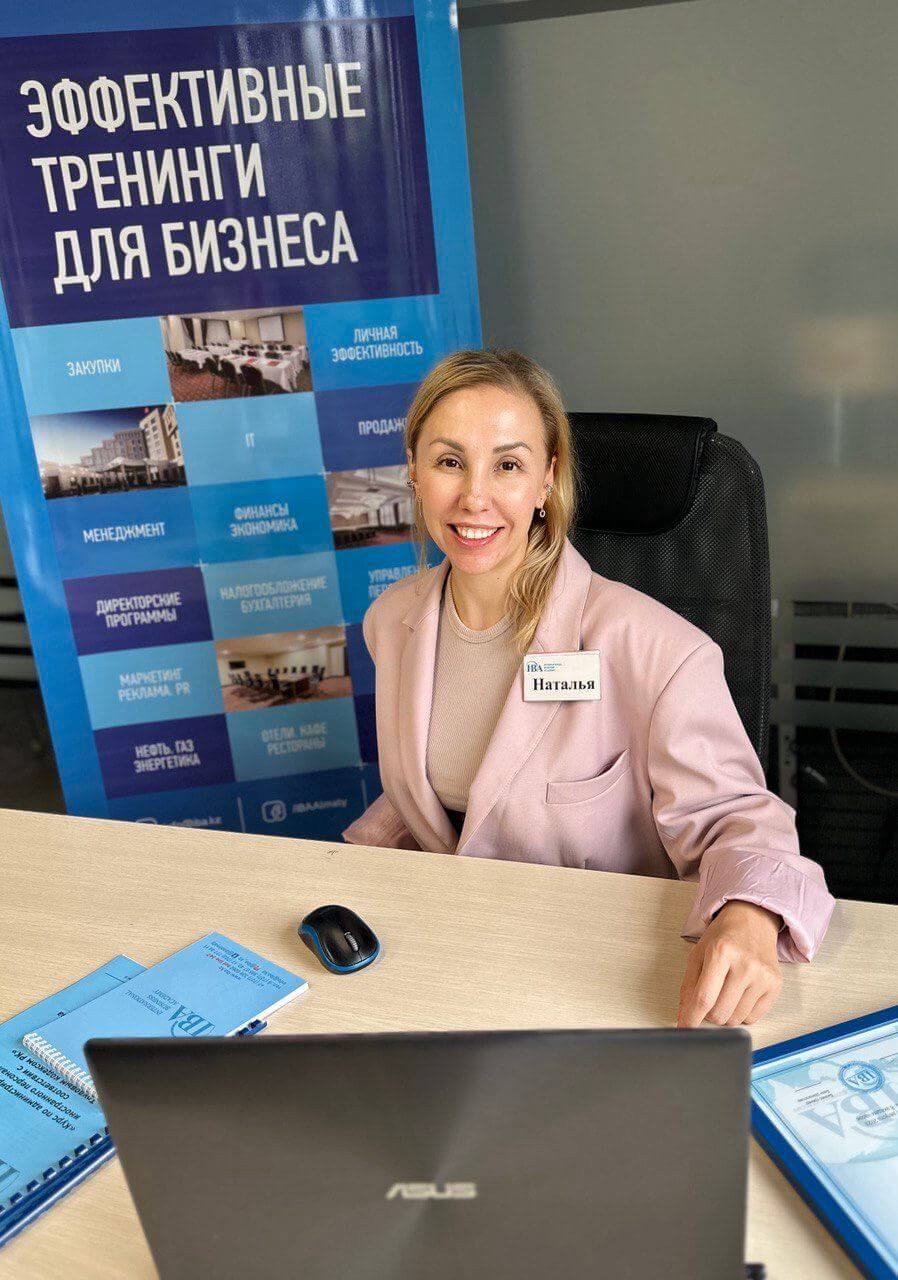
The seminar can be held online on the official International Business Academy platform. On completion of the training you will be given a link to the recording, which will be available for one month.
*dates are subject to additional confirmation
excluding VAT
* VAT of 16% will be added to the invoice
Training goal: learning to manage one's own activity and professional development effectively
Training objectives:
— Learn to set goals and prioritise correctly in life
— Learn to understand how to organise and manage time in professional and personal life
— Understand how to avoid professional and emotional burnout
— Learn about self-motivation tools
— Learn to manage emotions
— Learn how to do more in less time and have enough time for an active personal life
1. Values and goals in life contexts
Dream, «Vision», goal. The relationship between «vision» and values. Defining the desired state and the «ladder of growth»
Goal-setting strategies. Strategic, tactical and operational goals
Models for formulating goals effectively: SMART, PURE, CLEAR, GROW
Priorities among life goals. How to choose what matters more
A system map of goals
2. Time management
Time management as the most important skill of effective people
Basic principles of time management
Achieving a goal step by step. Methods of achieving goals
The result as the main indicator
Planning regular tasks for the day, week and month
The regular task overview matrix
3. Self-motivation
Self-motivation to achieve goals and solve tasks
Methods of getting into the right frame of mind for difficult and unpleasant tasks
Rhythms of human activity. Rest techniques as the basis of effective work
Anchors for a resourceful state
Laziness and how to use it. The «To hell with it» button and its significance for effective activity
4. Methods of preventing burnout syndrome
«Time-outs», rest
Defining short-term and long-term goals
Self-regulation abilities and skills (relaxation, ideomotor acts, goal setting and positive self-talk to reduce stress levels)
Professional development and self-improvement (exchanging professional information with colleagues — refresher courses, conferences, etc.)
Avoiding unnecessary competition
Emotional communication
Keeping in good physical shape, etc.
5. Managing emotions in communication
Managing anger. Identifying one's own sources of anger towards other people
Managing despondency. Recognising the sources of low mood and apathy. Ways of managing despondency through the neurophysiological, bodily-motor and subjective components of despondency
Managing fear. Recognising the sources of fear, anxiety and worry. Methods of working with fear
Managing joy and interest